Enhancing Yards with Native Plant Landscaping

Creating a beautiful and sustainable yard is easier than ever when you focus on local plant landscaping. Using plants native to your region not only enhances the natural beauty of your outdoor space but also supports the local ecosystem. Native plants are adapted to the local climate and soil, making them low-maintenance and environmentally friendly choices for any yard.
Benefits of Local Plant Landscaping
Local plant landscaping offers numerous advantages that go beyond aesthetics. Here are some key benefits:
Water Conservation: Native plants require less watering because they are adapted to the natural rainfall patterns of the area.
Reduced Maintenance: These plants are more resistant to local pests and diseases, reducing the need for pesticides and fertilizers.
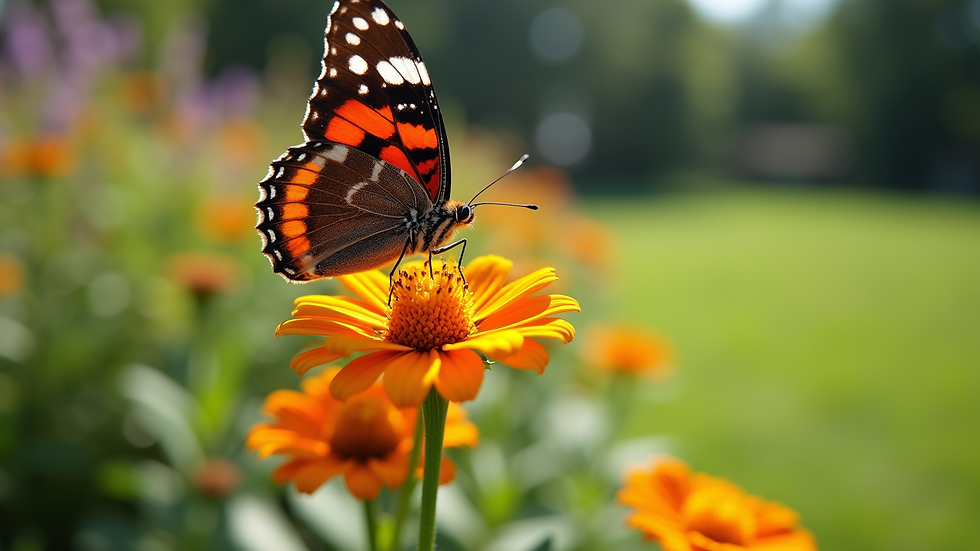
Wildlife Support: Native plants provide food and shelter for local birds, butterflies, and pollinators, promoting biodiversity.
Soil Health: Their deep root systems help prevent erosion and improve soil structure.
Cost-Effective: Lower water and maintenance needs translate to savings on your landscaping budget.
By choosing local plants, you create a yard that thrives naturally and contributes positively to the environment.

How to Choose the Right Plants for Your Yard
Selecting the right plants is crucial for a successful local plant landscaping project. Here are some practical steps to guide your choices:
Assess Your Site Conditions
Understand your yard’s soil type, sunlight exposure, and drainage. Native plants vary in their preferences, so matching plants to your site conditions ensures better growth.
Research Local Plant Species
Look for plants that are indigenous to your region. Local botanical gardens, extension services, or native plant societies can provide valuable lists and advice.
Consider Plant Functions
Decide what role each plant will play. For example, use taller native grasses for privacy screens, flowering perennials for color, and groundcovers to reduce weeds.
Plan for Seasonal Interest
Choose a mix of plants that bloom at different times to keep your yard vibrant year-round.
Start Small and Expand
Begin with a few native plants and observe how they perform. Gradually increase your native plant landscaping to cover more of your yard.
By carefully selecting plants suited to your local environment, you create a resilient and attractive landscape.
Designing with Native Plants for Maximum Impact
Designing your yard with native plants involves more than just planting random species. Thoughtful design enhances both beauty and function.
Create Naturalistic Groupings
Plant natives in clusters or drifts to mimic natural habitats. This approach looks more cohesive and supports wildlife better than isolated plants.
Use Layers
Combine groundcovers, shrubs, and trees to add depth and texture. This layering also provides diverse habitats for animals.
Incorporate Hardscapes
Use natural stone paths, mulch, or wood features to complement the native plants and create inviting outdoor spaces.
Focus on Color and Texture
Mix plants with different leaf shapes, sizes, and flower colors to add visual interest.
Plan for Wildlife
Include plants that attract pollinators and birds, such as native milkweed for monarch butterflies or berry-producing shrubs for birds.
Designing with intention ensures your yard is both beautiful and ecologically valuable.
Practical Tips for Maintaining Your Native Plant Landscape
Maintaining a native plant landscape is generally easier than traditional gardens, but some care is still needed:
Water Wisely
Water new plants regularly until established. After that, most natives need minimal supplemental watering.
Mulch to Retain Moisture
Apply organic mulch around plants to conserve moisture and suppress weeds.
Prune Selectively
Remove dead or damaged branches to keep plants healthy, but avoid heavy pruning that disrupts natural growth.
Control Invasive Species
Monitor your yard for invasive plants that can outcompete natives and remove them promptly.
Fertilize Sparingly
Native plants usually thrive without fertilizer. Excess nutrients can harm them and encourage weeds.
Observe and Adapt
Watch how your plants respond to conditions and adjust care as needed.
Following these tips will help your native plant landscaping flourish with minimal effort.
Embracing Sustainability with Native Plants
Using native plants landscaping is a powerful way to create a sustainable yard. It reduces water use, lowers chemical inputs, and supports local wildlife. Additionally, native plants help combat climate change by sequestering carbon and improving soil health.
To maximize sustainability:
Collect Rainwater
Use rain barrels to water your native plants during dry spells.
Avoid Lawn Overuse
Replace some lawn areas with native plant beds to reduce mowing and irrigation.
Compost Yard Waste
Recycle plant clippings and leaves to enrich your soil naturally.
Educate Neighbors
Share your experience and encourage others to adopt native plant landscaping.
By embracing these practices, your yard becomes a model of environmental stewardship.
Enhancing your yard with local plant landscaping is a rewarding way to create a beautiful, low-maintenance, and eco-friendly outdoor space. For more inspiration and detailed guidance on native plants landscaping, visit this resource. Start small, plan thoughtfully, and enjoy the vibrant life that native plants bring to your home.


Comments