Incorporating Local Charm into Outdoor Designs
- Ryan Glidden
- Sep 22, 2025
- 4 min read

Creating an outdoor space that reflects the unique character of its location can transform any yard or garden into a personal sanctuary. Incorporating local charm into outdoor designs not only enhances the aesthetic appeal but also fosters a deeper connection with the environment. This approach celebrates regional culture, climate, and natural beauty, making your outdoor area both inviting and sustainable.
Embracing Local Charm in Your Outdoor Space
Local charm in outdoor design means using elements that resonate with the history, culture, and natural surroundings of your area. This can include native plants, traditional materials, and design motifs inspired by local architecture or art. For example, in coastal regions, incorporating driftwood, seashells, and salt-tolerant plants can evoke the seaside atmosphere. In desert areas, using cacti, succulents, and stone pathways reflects the arid landscape.
To start, research the native flora and fauna of your region. Native plants are often more drought-resistant and require less maintenance, making them eco-friendly choices. Additionally, using local materials such as stone, wood, or clay can add authenticity and reduce environmental impact.
Practical tips to incorporate local charm:
Use native plants like lavender, sage, or manzanita for drought tolerance.
Choose natural stone or reclaimed wood for patios and furniture.
Add handcrafted pottery or sculptures from local artisans.
Incorporate water features that mimic natural streams or ponds found nearby.

Local plants and natural stone create a charming outdoor space.
Designing with Local Charm in Mind
When designing your outdoor space, think about how the local culture and environment can influence your choices. For instance, in San Diego, the Mediterranean climate allows for a mix of lush greenery and desert plants. You can blend colorful bougainvillea with drought-tolerant succulents to create a vibrant yet sustainable garden.
Consider the architectural style of your home and neighborhood. If your house has Spanish or Mediterranean influences, incorporate terracotta tiles, wrought iron accents, and warm earth tones in your outdoor furniture and decor. This creates a cohesive look that feels authentic and inviting.
Lighting is another important aspect. Use solar-powered lanterns or string lights to highlight pathways and seating areas, enhancing the ambiance while being energy-efficient.
For inspiration and professional help, explore landscape design san diego portfolios that showcase how local charm can be beautifully integrated into outdoor spaces.
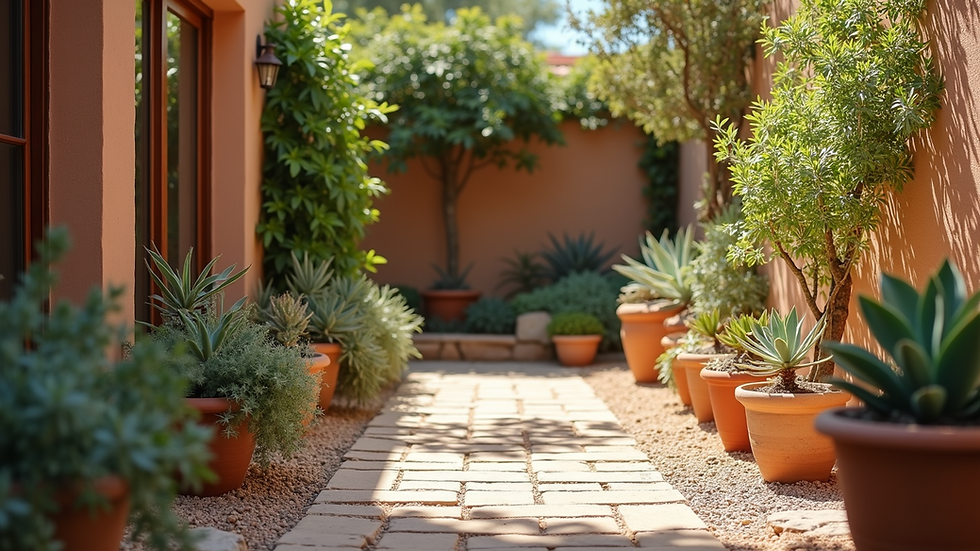
Outdoor design inspired by Mediterranean architecture and local plants.
How much does it cost to landscape in San Diego?
Landscaping costs in San Diego can vary widely depending on the size of the project, materials used, and complexity of the design. On average, homeowners can expect to spend between $5,000 and $20,000 for a complete landscape makeover. Smaller projects like planting native shrubs or installing a stone pathway may cost less, around $1,000 to $3,000.
Factors influencing cost include:
Design fees - Hiring a professional landscape designer can cost $50 to $150 per hour.
Materials - Natural stone, quality plants, and custom features add to expenses.
Labor - Skilled labor for installation and maintenance varies by region.
Irrigation systems - Efficient watering solutions tailored to local climate.
Permits and regulations - Some areas require permits for certain landscaping features.
To get the best value, request multiple quotes and check portfolios of local designers. Prioritize sustainable and low-maintenance options that reduce long-term costs.
Using Local Materials to Enhance Outdoor Spaces
Incorporating local materials is a key way to add charm and authenticity to your outdoor design. Materials sourced nearby not only support local businesses but also blend naturally with the environment.
For example, in San Diego, you might use sandstone or flagstone for patios and walkways. These stones have warm tones that complement the natural landscape. Wood from local forests can be used for decks, pergolas, or garden furniture, adding warmth and texture.
Other materials to consider:
Clay tiles for roofing or decorative accents.
Recycled bricks for garden borders or fire pits.
Natural fibers like jute or sisal for outdoor rugs and cushions.
Using these materials creates a cohesive look that feels grounded in the local setting. It also helps your outdoor space age gracefully, as these materials are suited to the climate and weather conditions.

Natural sandstone patio blending with the local environment.
Incorporating Local Art and Cultural Elements
Adding local art and cultural elements can personalize your outdoor space and celebrate the heritage of your area. This might include sculptures, murals, or handcrafted pottery that reflect local traditions and stories.
Consider commissioning a local artist to create a unique piece for your garden. This not only supports the arts community but also adds a meaningful focal point. You can also incorporate traditional patterns or colors in cushions, tiles, or garden structures.
Seasonal festivals and holidays can inspire temporary decorations or plant choices, keeping your outdoor space dynamic and connected to local life.
Ideas to include local culture:
Display handcrafted ceramic pots with native motifs.
Use textiles or cushions featuring traditional patterns.
Install a mural or mosaic wall inspired by local history.
Host outdoor gatherings that celebrate regional customs.
By weaving these elements into your design, your outdoor space becomes a living tribute to the local charm that makes your area special.
Incorporating local charm into your outdoor design is a rewarding way to create a space that feels both beautiful and meaningful. By using native plants, local materials, and cultural touches, you can craft an environment that reflects the unique spirit of your region. Whether you are starting from scratch or refreshing an existing garden, these ideas will help you build a connection to your surroundings and enjoy your outdoor space to the fullest.


Comments